
During my elementary school years, recycling was a huge deal. I remember learning about the importance of recycling in order to save the earth. There’s one time in particular I remember – it was either 3rd or 4th grade – when I became anxious while watching a video on recycling. I started panicking on the inside about the earth being covered in trash and us not being able to grow food because the earth was so desolate. After that, I tried to spearhead recycling in the family. I was put in charge of making sure everything that was recyclable was put in the proper container. Over the last few years I’ve been trying to make the transition to more sustainable ways of living. But if I’m being completely honest, it’s sometimes caused a lot of unhealthy stress and anxiety.
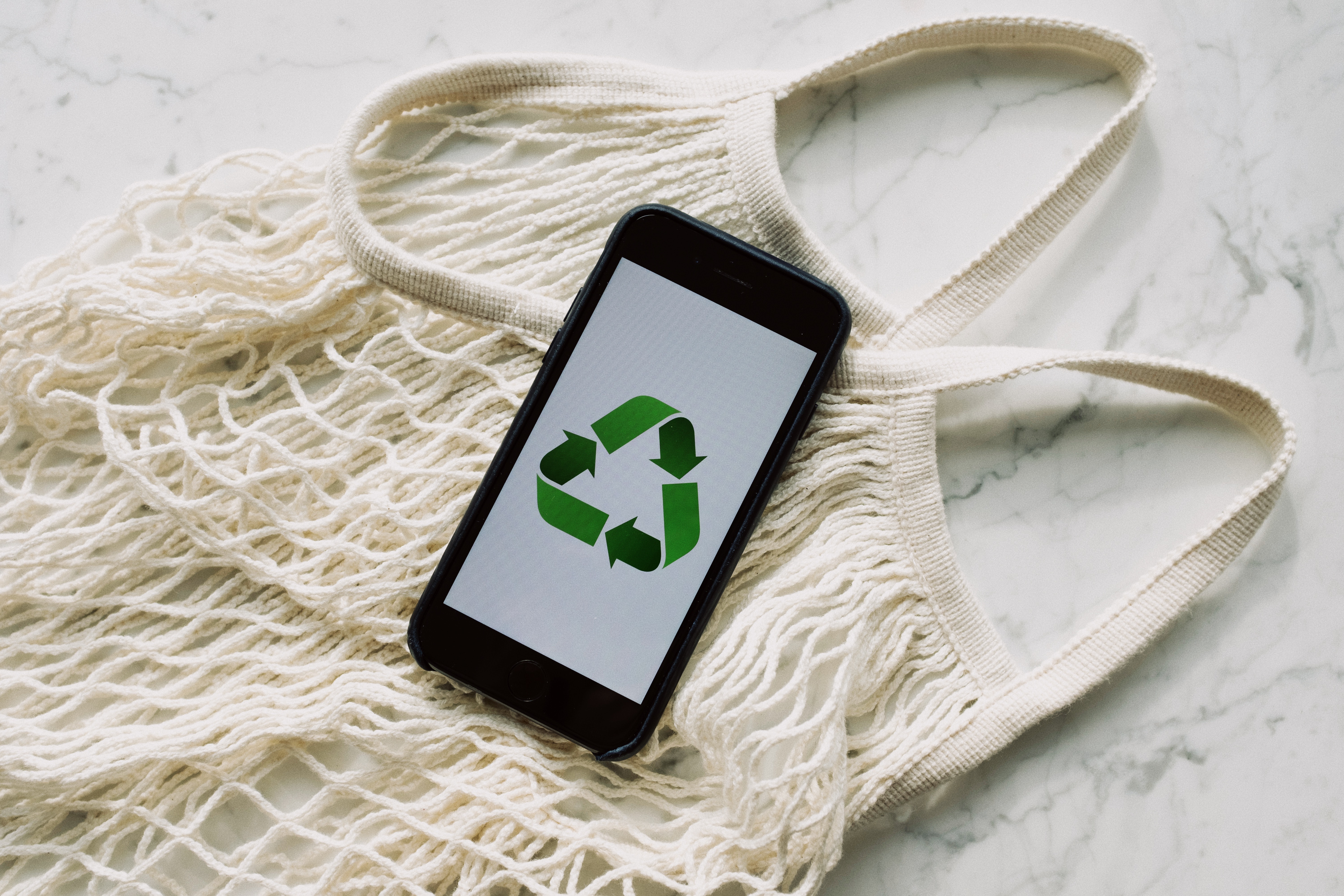
There are a lot of documentaries about the problem with plastic in our oceans, forests being cut down, pollution in the air, negative effects of consumerism, mass food production, etc. It’s overwhelming.
The zero-waste movement has had a resurgence in recent years. It’s not a new concept. In reality, the idea of “zero waste” has been around for centuries. I remember learning from a book as a child that native tribes in the Americas would use every part of the animal they hunted. People have been rallying for conserving land for decades. Today the zero-waste movement is about creating as little waste as possible and conserving as much as we can as individuals.
When my curiosity was piqued about the zero-waste movement, I started watching YouTube videos and going down the rabbit hole. I was inspired, but again my anxiety went through the roof. There are so many things I could be doing that I just can’t do right now. Another component of zero waste is supporting companies that are carbon neutral, have sustainable and ethical practices … and the amount of research I would have to do on each company felt overwhelming. I started feeling like I was single-handedly destroying the earth with my consumption and would forever be a wasteful person.
I finally had to take a step back and reassess my reaction. This summer I was recently diagnosed as bipolar depressive (I fall in the bipolar I category). This helped me understand that I was overreacting to the information I was learning. I’m not the sole cause of waste. Though I’m not diagnosed with this, I have wondered if I have OCD tendencies. It runs in my family and I’ve noticed some obsessive-compulsive thought patterns that I tend to display. I also talked with my parents about my concerns, which helped to calm me down a lot.
The fact of the matter is that we all go through periods of time and are in different situations where being 100% sustainable all the time isn’t possible. At least, that’s what I’ve noticed in my life. Earlier this year I was severely depressed, which then turned into a mixed episode this summer. My body was exhausted and I was running on empty. Because I had no energy and a severe lack of motivation, I ordered takeout every day for months. I was pretty wasteful for awhile. Once I was able to get my mind back in a better place, I was able to start buying groceries and meal prepping.
Sometimes people are in situations where they need to use paper plates and plastic cutlery for a season. Right now buying in bulk from Costco is a huge lifesaver for me. I’m still working on getting back to feeling 100%, so buying prepackaged food that I can heat up has been beneficial. There’s a Facebook post I’ve seen a few times about a man talking to his therapist about how tired he is but doesn’t have the energy to hand wash all of his crusty, dirty dishes. The therapist replies, “So run them through the dishwasher twice. There’s no rule saying you can’t.”
Having “seasons” in our lives is very beautiful imagery. There are good, fruitful seasons and difficult, almost barren seasons. When struggling with any chronic condition – whether it be mental or physical – we need to remember that it’s okay to adapt to something easier until we feel better. I do believe that plastic has its place and purpose in the world. I think the industrial revolution brought about some good things. I also believe that we can cut down on our waste consumption and treat the earth with more love.
I don’t really consider myself part of the zero-waste movement, but I do consider myself as someone who wants to be more sustainable. In order to do that, I had to think about what I really wanted to do and focus on. The important thing about becoming more sustainable is focusing on one area at a time. It’s impossible to change everything at once.
Cutting down on plastic use was the easiest way for me to begin. The changes were pretty simple.
(Please note – the following links are not ads and are not affiliated marketing links. These are products that I personally use, love, and want to recommend.)
- Reusable water bottle – I carry a 32 oz water bottle with me to work and the gym. This helps me make sure that I’m drinking water throughout the day, too.
- Lunchbox – I feel like this a given and is the norm nowadays, but it’s worth mentioning. I bought a large lunchbox to hold my breakfast (I have a hard time eating solids before 10am), lunch, and snacks while at work. Using one also helps me to make my own meals instead of going out to eat every day.
- Reusable shopping bags – I tend to shop at Spouts the most and they sell their own reusable grocery bags. (I think they typically have more variety in their stores.) For every reusable bag you use at checkout (they don’t have to be Sprouts brand), you get five cents off your total purchase. So if you use five bags, you get 25 cents off. I also have reusable produce bags.
- Glass containers – For storing food in the fridge and taking lunch to work, I tend to use Pyrex glass sets. They’re super easy to wash after you’re done using them and they’re really durable. Mason jars are how I store my homemade protein shakes, overnight oats, and other various produce.
- Blueland – I’d seen advertisements for Blueland for awhile and signed up for their subscription last November. Changing over to them has been a game changer. Not only have I cut down on plastic use, but there’s a lot more storage space in my bathroom, my side of the laundry shelf, and under the kitchen sink. They’ve also expanded their line to include dryer balls, sponges, and a cloth that replaces paper towels. Their scents are beautiful – light, natural, and not strong at all.
- Dryer balls – These are a great alternative to dryer sheets. I use these hedgehog dryer balls. The first pair I got as a Christmas gift from a friend last December and my mom gave me another pair this year. The noses have fallen off the first pair but they still work like a charm. I really like these because the spindles catch a lot of hair strands (and I shed like no other).
Another great company that I recommend is MightyNest. Making more sustainable swaps can be daunting and MightyNest helps take away that feeling of overwhelm. They handpick their products to make sure they’re safe and ecofriendly. When you sign up for their subscription, you get one item a month that can replace something in your house. Since I signed up, some of my favorites I’ve gotten are Bee’s Wrap, Tidy Dish Cloths, wool dryer balls, and Meliora all-purpose cleaner.
When taken one step at a time, being ecofriendly doesn’t have to ignite our anxiety. And using single plastics when we’re hanging on by our fingernails and are just trying to survive until we feel better isn’t a horrible thing to do. There is balance in everything. Giving ourselves grace during the hard times is the best thing we can do.
What are some ways you’re trying to be more sustainable? Where do you want to start? Let me know in the comments!


 kimonalimb.com
Leave a comment